Panevėžys at a glance
- Best for
- Contemporary art, theatre, riverside walks and railway heritage
- Suggested time
- One full day; overnight for a theatre performance or scheduled railway event
- Population
- About 86,600 at the beginning of 2024
- River
- Nevėžis
- From Vilnius
- About 135 km; direct bus is normally the simplest public transport option
- From Kaunas
- About 110 km by road; direct bus is normally the simplest public transport option
- Train
- Indirect and usually less convenient than the bus
- Car
- Not required for the principal central sights; useful for regional onward travel
Why visit Panevėžys?
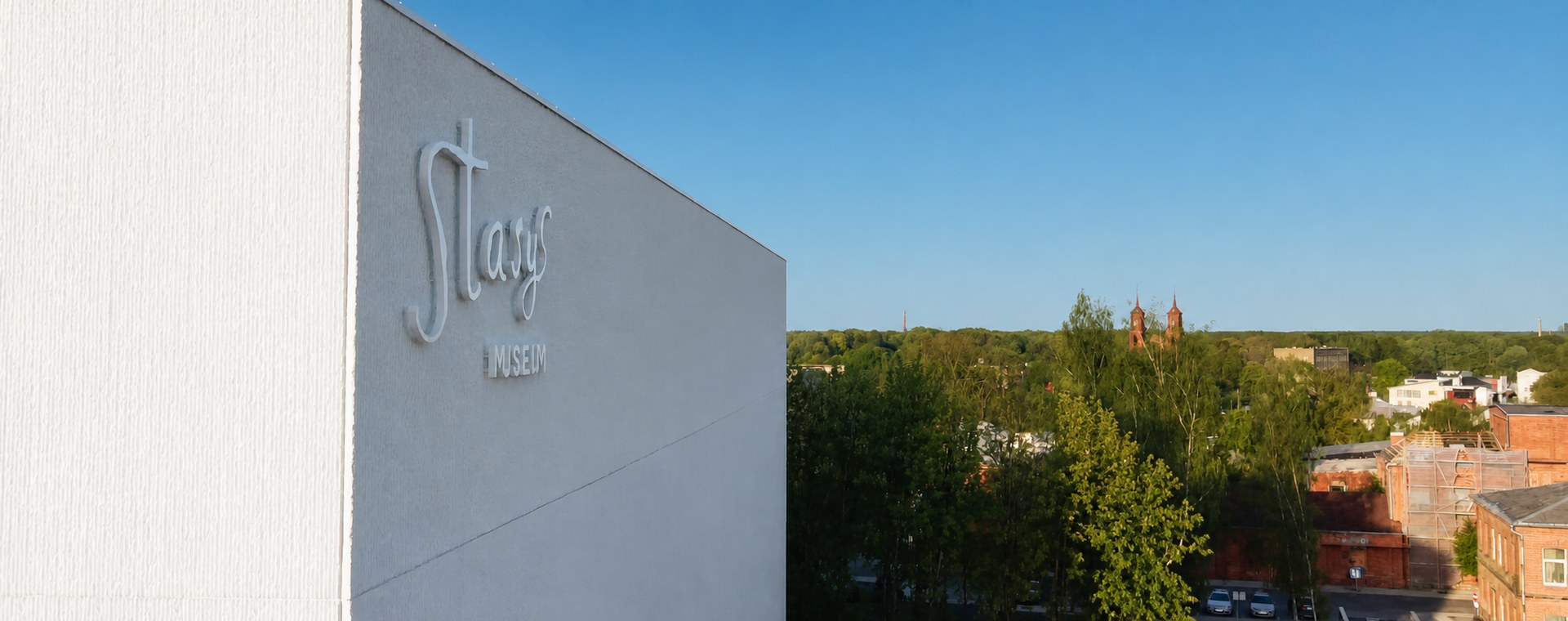
Panevėžys combines older streets, interwar buildings, Soviet-era development and recently renewed public spaces. Its strongest visitor route is cultural and compact: begin with contemporary art at Stasys Museum, walk beside Senvagė, cross Laisvės Square and choose a gallery, museum or theatre programme. Railway heritage and the creative centre at Skaistakalnis Park provide useful alternatives to a purely central walk.
Several hours are enough for Stasys Museum and the centre. A full day allows two indoor attractions plus the park, while one night is most useful when a performance or scheduled Siaurukas activity determines your timing.
Most popular attractions in Panevėžys
1. City and regional history
Panevėžys Local Lore Museum
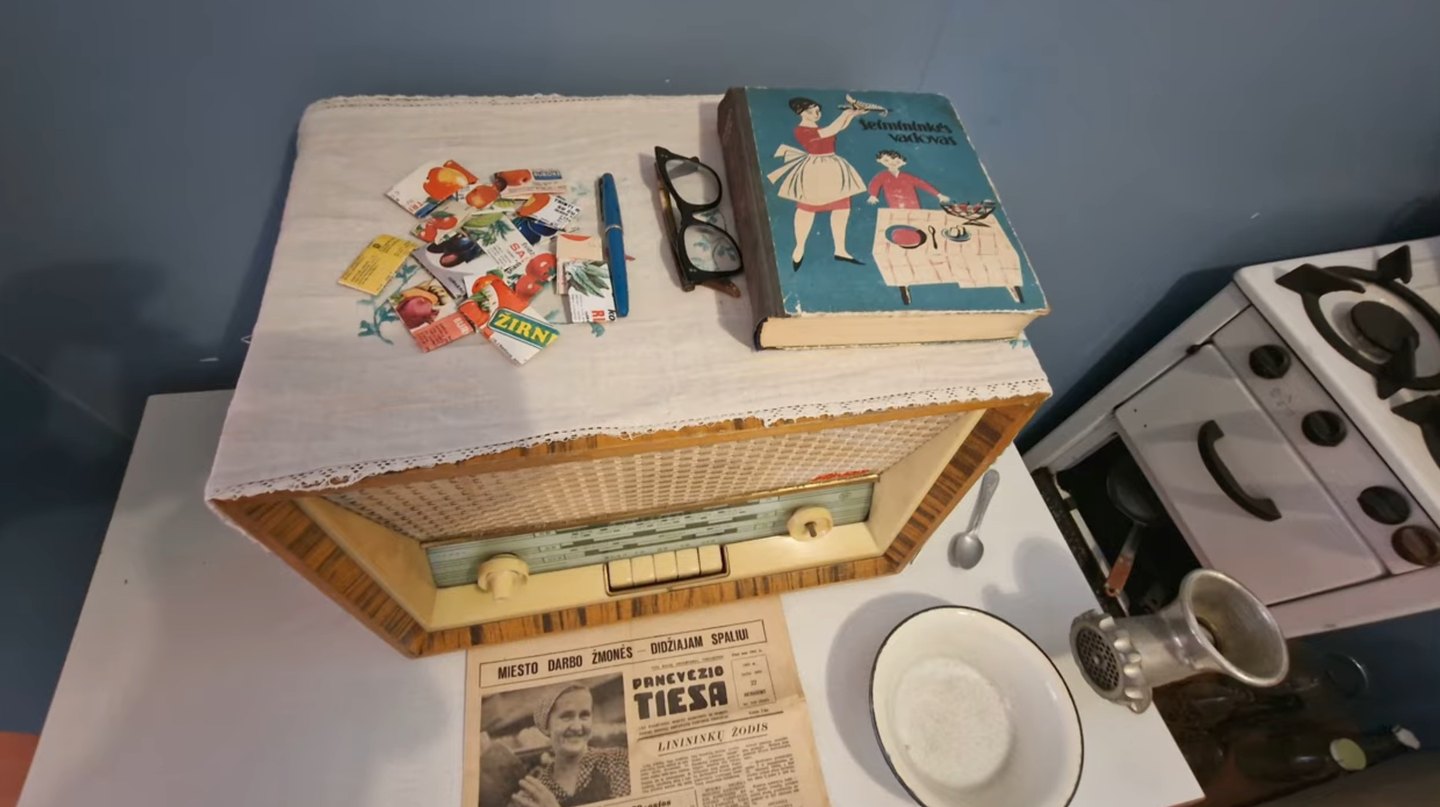
Panevėžys Local Lore Museum presents the history and ethnography of Panevėžys city and its surrounding region. Its central museum complex is associated with the historic Moigiai houses, giving the visit an architectural setting as well as a local-history focus. Choose it when you want context for the city beyond its contemporary galleries, or when weather makes an indoor afternoon more useful. Displays and visitor arrangements can change, so use the museum’s own information when deciding which exhibitions are available. It pairs naturally with the City Art Gallery but provides a different, historical perspective.
Why visit: Best for visitors who want city and regional history, ethnography and context for Panevėžys beyond the central walk.
Practical note: Check the museum’s visitor information and current exhibitions before arrival, particularly if a specific display matters.
Official visitor information2. Central walk
Senvagė
Senvagė is the landscaped former riverbed at the heart of Panevėžys and an easy outdoor stop between Stasys Museum and Laisvės Square. Paths, lawns, water and small resting areas make it useful for a short pause as well as a longer central walk. It suits first-time visitors, families and anyone filling the time between indoor attractions. A light-and-music fountain may operate during the warmer season, but performances are programme-dependent, so the landscape and walking route should be the main reason to visit rather than an assumed evening show.
Why visit: Best for an accessible central walk and for linking the museum, square and nearby cultural venues on foot.
Practical note: Allow 30 to 60 minutes. Check current local information if a fountain programme matters to your plans.
Official visitor information3. Railway heritage
Aukštaitija Narrow-Gauge Railway Complex
The Aukštaitija Narrow-Gauge Railway Complex introduces the heritage railway commonly called Siaurukas. The Panevėžys depot area presents railway history through exhibits and programme-based activities that can include educational sessions, handcar experiences, excursions and special trains. It is a distinctive choice for railway enthusiasts, families and visitors who prefer industrial heritage to another conventional museum. This is not a daily urban passenger service: departures and activities follow published programmes, and some experiences require advance booking. Build a separate time block around a confirmed event rather than assuming a train will run when you arrive.
Why visit: Best for railway history, family activities and a programme that feels specific to Panevėžys and Aukštaitija.
Practical note: Check Siaurukas schedules and booking requirements before travel. Special trips do not operate as a daily conventional service.
Official visitor information4. Theatre and civic space
Laisvės Square and Juozas Miltinis Drama Theatre
Laisvės Square is Panevėžys’s central civic and meeting space, with cafés, shops and the Juozas Miltinis Drama Theatre close together. The theatre was founded in 1940 and is closely associated with director Juozas Miltinis, whose legacy remains central to the city’s theatre tradition. This combined stop works well for a daytime centre walk and for visitors planning an evening performance. Check the current repertoire before committing to an overnight stay, and expect most productions to be in Lithuanian unless the programme states otherwise. The square itself remains useful even when no suitable performance is scheduled.
Why visit: Best for understanding the city centre, its theatre tradition and the rhythm of its main public square.
Practical note: Review the theatre programme and language information before booking. Most productions are likely to be in Lithuanian.
Official visitor information5. Park and creative centre
Skaistakalnis Park and Prãgiedruliai
Skaistakalnis Park provides a greener extension to the central cultural route, while Prãgiedruliai gives the visit a programme-led focus. The creative centre occupies the former homestead of Juozas Čerkesas-Besparnis and presents exhibitions, workshops, educational activities, residencies and community events. The pairing suits visitors who want a walk with a current cultural purpose, especially when the weather supports time outdoors. Programming changes, so consult the centre’s calendar before setting aside a long visit. The park can still be enjoyed as part of a walk when no exhibition or workshop matches your schedule.
Why visit: Best for combining a city park with contemporary workshops, exhibitions and community cultural activity.
Practical note: Check the current Prãgiedruliai programme. Access to particular exhibitions, workshops or events can vary.
Official visitor information6. Visual art
Panevėžys City Art Gallery
Panevėžys City Art Gallery is a three-part visual arts institution rather than a single generic museum. It includes the Art Gallery, the Ceramic Art Pavilion and the Photography Gallery, all in the central city. Exhibitions and collections cover contemporary visual art, photography and a particularly substantial ceramics programme. This makes the gallery a good alternative or companion to Stasys Museum for visitors who want a broader view of the city’s art institutions. The departments have separate addresses and may present different exhibitions, so decide which space matters most and check current visitor information before setting out.
Why visit: Best for contemporary visual art, ceramics and photography across three distinct gallery spaces.
Practical note: Check which department holds the exhibition you want to see and confirm current visitor arrangements.
Official visitor information7. Artistic glass
Glasremis Glass Art Studio
Glasremis is an artistic glass studio founded by glass artist Remigijus Kriukas, combining working production with individual art pieces. It adds a craft and industrial dimension to a Panevėžys itinerary and is most useful for visitors with a specific interest in glassmaking, design or artist studios. Production access is not a dependable walk-in attraction: the official tourism listing says observation of the process requires advance booking. Contact or confirm arrangements before travelling across the city, and keep another central attraction available as a fallback if a demonstration or studio visit cannot be scheduled.
Why visit: Best for glass art, design and visitors who enjoy seeing a working creative studio by prior arrangement.
Practical note: Arrange access in advance. Do not assume production viewing or a demonstration is available to walk-in visitors.
Official visitor information8. Contemporary art
Stasys Museum
Stasys Museum is Panevėžys’s leading contemporary art museum and its clearest contemporary cultural landmark. Its identity is associated principally with the work of Lithuanian artist Stasys Eidrigevičius, while changing exhibitions introduce other artists and ideas. The spacious galleries suit visitors who want a focused cultural stop rather than a general local-history collection. The rooftop terrace adds a city view when it is open, but access is seasonal or programme-dependent, so treat it as a possible extra rather than a guaranteed part of every visit.
Why visit: Best for contemporary art, architecture and a strong impression of the city’s current cultural direction.
Practical note: Check the museum’s current exhibitions and visitor information. Rooftop access can depend on season and programme.
Official visitor informationMore things to do
- Panevėžys Puppet Wagon Theatre for a distinctive local theatre tradition.
- Cathedral of Christ the King for twentieth-century religious architecture.
- Church of St Peter and St Paul near the Nevėžis.
- Nature School of Panevėžys for programme-based family activities.
One-day itinerary
Morning
Begin at Stasys Museum, then walk through Senvagė to Laisvės Square.
Lunch
Choose a café or restaurant around Laisvės Square or the central streets. Check current opening information rather than building the day around one named venue.
Afternoon
Choose Panevėžys City Art Gallery or the Local Lore Museum, then continue to Skaistakalnis Park and Prãgiedruliai.
Evening
Attend Juozas Miltinis Drama Theatre when a suitable performance is scheduled. Otherwise, return to Senvagė and the city centre.
When a narrow-gauge railway excursion or special programme is operating, allow a separate time block and consider replacing part of the afternoon itinerary.
How to get to Panevėžys
From Vilnius
Panevėžys is approximately 135 km from Vilnius. Direct buses are normally the simplest public transport option. If driving, official city tourism guidance directs travellers to the A2 towards Panevėžys. Check live road conditions and the current bus operator schedule rather than relying on a fixed journey time.
From Kaunas
Panevėžys is about 110 km by road from Kaunas. Direct buses are normally the simplest public transport option. Official city tourism guidance identifies the A8 direction for drivers. Journey times vary with traffic, weather and the service selected.
By rail
Direct buses are generally the simplest public transport option from Vilnius and Kaunas. Rail journeys are indirect and normally less convenient. Search connections for your travel date: LTG Link train tickets (partner booking site). Do not build a short visit around an assumed direct train.
Getting around
A car is not required for Stasys Museum, Senvagė, Laisvės Square and the main central museums. These sights work as a compact walking route. Allow more time for the narrow-gauge railway complex, Glasremis and park visits, and check the current local route if mobility or weather makes walking less practical.
A car becomes more useful for regional onward travel, especially when continuing beyond the city towards rural Aukštaitija. Keep pavements, crossings and changing winter conditions in mind when estimating walking time.
Food, cafés and the central market
Cafés and restaurants cluster around Laisvės Square and the surrounding central streets, making this the simplest area for a flexible lunch during a museum day. For broader context on dishes you may encounter, use the Lithuanian food guide.
Panevėžys Central Market is a practical local stop rather than a guaranteed tasting itinerary. Opening days, individual traders and seasonal products can change, so check current information and treat any particular produce as dependent on the date and seller.
Trips beyond Panevėžys
Aukštaitija National Park is better treated as an onward destination than as a quick city excursion. Its best-known visitor area lies around Palūšė and Ignalina, requiring a separate road journey from Panevėžys. Travellers continuing through eastern Aukštaitija should allow most of a day or stay closer to the park.
Use the Aukštaitija regional guide to compare other stops. For a northbound route, Šiauliai is another practical city destination.
For central hotels and apartments, use the Panevėžys accommodation guide instead.
Frequently asked questions
Is Panevėžys worth visiting?
Yes, particularly if contemporary art, theatre, railway heritage and compact city walks fit your interests. It works well for several hours or one full day, with an overnight stay useful when you have a performance or scheduled railway activity.
What are the main attractions in Panevėžys?
Start with Stasys Museum, Senvagė and Laisvės Square. The Aukštaitija Narrow-Gauge Railway Complex, Juozas Miltinis Drama Theatre, Skaistakalnis Park with Prãgiedruliai, the City Art Gallery and Local Lore Museum add the strongest specialist visits.
How much time do you need in Panevėžys?
One full day covers the principal central sights for many visitors. Stay overnight if you plan to attend a theatre performance, join a scheduled railway programme or prefer to visit several museums without rushing.
How do you travel from Vilnius or Kaunas to Panevėžys?
Direct buses are generally the simplest public transport option from both cities. Panevėžys is about 135 km from Vilnius and about 110 km by road from Kaunas. Rail journeys are indirect, so check the current LTG Link timetable before considering a train.
Does the Panevėžys narrow-gauge railway run every day?
Do not assume a daily service. Excursions, educational activities and special trains follow scheduled programmes and may require advance booking. Check the official Siaurukas schedule for your date.
Sources
The institutions and tourism pages below provide visitor details, exhibitions, programmes and arrival information. Use the relevant venue’s calendar when arranging a performance or scheduled railway trip.
- Panevėžys NOW attraction directory: attraction names, Senvagė, square, park and official listings.
- Stasys Museum: artist connection, exhibitions and visitor information.
- Siaurukas: railway programmes and booking-dependent activities.
- Juozas Miltinis Drama Theatre: theatre identity, repertoire and visitor planning.
- Prãgiedruliai, Panevėžys City Art Gallery and Panevėžys Local Lore Museum: institution scope and current visitor information.
- Official city transport guidance and LTG Link train tickets (partner booking site): road directions, bus orientation and current rail timetable checks.
- Panevėžys City Public Health Bureau: population at the start of 2024 (PDF): 86,599 permanent residents on 1 January 2024.