Furniture and wood
Furniture, wood-based panels, doors, packaging, interior elements, mattresses and other wood products.
Lithuania is a small European Union country with an open economy closely connected to other European markets. It is often associated with transport, software and fintech, but it also has a broad manufacturing base. Factories and laboratories in Lithuania produce furniture, food, chemicals, refined petroleum products, machinery, electronic components, laser systems, optical equipment, life-science reagents, medical products, clothing and textiles.
Manufacturing remains an important part of the economy. Invest Lithuania's 2024 sector overview estimated that manufacturing generated around 23% of Lithuania's GDP.

Lithuania produces furniture and wood products, dairy and meat products, bread, beverages, refined petroleum products, fertilisers, plastics, industrial machinery, electrical and electronic components, automotive parts, laser systems, optical instruments, laboratory reagents, medical products, clothing and linen textiles. Agriculture produces grain, rapeseed, milk, meat, eggs, potatoes, vegetables, fruit and berries.
A large share of this output is exported. However, total export statistics include both goods made or substantially processed in Lithuania and re-exports, which are goods imported and then sold abroad without substantial processing.
Furniture, wood-based panels, doors, packaging, interior elements, mattresses and other wood products.
Dairy and meat products, bread, flour, confectionery, prepared foods, ingredients, beer and non-alcoholic drinks.
Fertilisers, industrial chemicals, laboratory reagents, plastics, PET resins and packaging materials.
Petrol, diesel and other products made by refining imported crude oil.
Industrial machinery, metal structures, electrical equipment, electronic modules, sensors, automation systems and automotive components.
Scientific and industrial lasers, ultrafast light sources, optical components and photonics equipment.
Proteins, nucleic acids, antibodies, diagnostic materials, laboratory kits, reagents and selected medical devices.
Clothing, knitwear, home textiles, linen products and specialised fabrics.
The examples below include finished products, components, materials and technology systems made in Lithuania for customers at home and abroad. They show how different industries contribute, from consumer goods to equipment and materials supplied to other businesses.
Companies in Vilnius manufacture femtosecond, picosecond and nanosecond lasers, tunable sources, high-intensity systems and spectroscopy equipment. Light Conversion reports more than 10,000 femtosecond laser systems installed worldwide. EKSPLA equipment is used by international research organisations, including CERN, and at Extreme Light Infrastructure facilities.
Thermo Fisher Scientific Baltics in Vilnius designs and manufactures life-science products including proteins, nucleic acids, nucleotides, antibodies, laboratory kits and materials used for cell separation and diagnostic applications.
Teltonika designs and manufactures Internet of Things devices for vehicle tracking, network connectivity, telemedicine and electric vehicle charging. The company says its products are designed and developed in Lithuania and manufactured at facilities in Vilnius and Molėtai.
NanoAvionics supplies platforms and mission systems for small satellites. Its current company information reports more than 140 customers, more than 60 satellites launched and more than 300 in development. These figures are company-reported and may change as its work progresses.
Lithuanian suppliers make furniture, wood-based materials and other products for international supply chains. IKEA describes Lithuania as an important wood-sourcing market and a furniture-industry leader. In IKEA's 2025 financial year, Lithuania accounted for 12% of the virgin wood used in IKEA home-furnishing products, excluding paper.
NEO GROUP's manufacturing site in Lithuania produces PET resins used in bottles, food packaging and other products. The company reports annual production above 480,000 tonnes, nearly 300 customers in more than 30 countries and output equal to around 12% of annual European PET production. These are company-reported figures.
Džiugas is a hard cheese associated with Telšiai. Its name is registered in the European Union as a protected geographical indication, or PGI, and the cheese is sold in Lithuania and abroad.
FORVIA HELLA's Lithuanian operation in the Kaunas area manufactures automotive electronic components, including position sensors, level sensors, engine controllers, radar products and other smaller electronic components. In Vilnius, Brolis develops infrared laser sensor systems and electro-optical systems for specialised applications.
Digital services are important to Lithuania's economy, but they are not manufactured goods. NordVPN, NordPass, NordLayer, NordLocker and Saily are part of the Nord Security product ecosystem. NordVPN began in 2012. Nord Security, not NordVPN itself, became a technology unicorn in 2022 after an investment round valued the company at US$1.6 billion.
Vinted was founded in Lithuania in 2008 and developed into an international marketplace for second-hand goods. It is a digital marketplace, not a physical product made in a factory.
Lithuania's production base is more varied than the country's size might suggest. Traditional food, furniture and chemical industries operate alongside manufacturers of electronics, optics, laser equipment, medical products and laboratory materials.
Many companies make parts, components and materials for other European manufacturers rather than finished retail products. A Lithuanian company name may therefore be invisible on the final item even when an important part of its production took place in Lithuania.
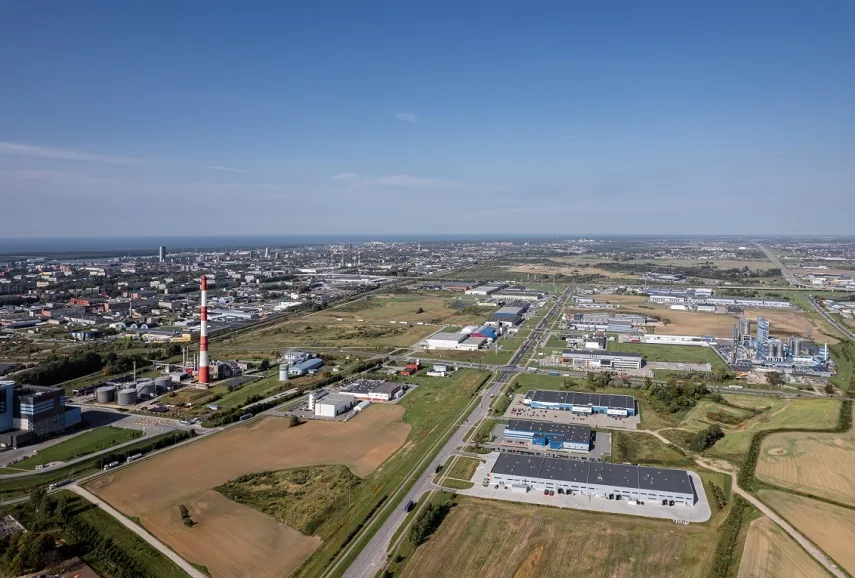
Furniture and woodworking remain among Lithuania's most visible manufacturing activities. Companies make cabinet and upholstered furniture, mattresses, wood-based panels, doors, interior elements, wooden packaging and components.
Some manufacturers sell under their own brands. Others work under contract for European retailers and furniture companies, which is why consumers may not always see a Lithuanian name on the finished product.
The sector benefits from established woodworking skills and access to road, rail and sea freight connections with other European markets.
Lithuania's food industry processes a large share of local agricultural output. Products include:
Farmers grow cereals, rapeseed, potatoes, vegetables, fruit and berries. Livestock farming supplies milk, meat and eggs.
For visitors, this is one of the easiest parts of the economy to see. Products from Lithuanian dairies, bakeries, meat processors and confectionery companies are widely available in supermarkets and markets. The Lithuanian cuisine guide explains what to look for.
Lithuanian companies produce fertilisers, industrial chemicals, plastics, PET products, packaging materials and laboratory reagents.
Output in individual chemical categories can change significantly with energy costs, demand and the operation of major plants. The sector should not be treated as permanently or uniformly growing.
Oil refining has a separate role. ORLEN Lietuva operates the Mažeikiai refinery, the only crude-oil refinery in the Baltic states. It makes petrol, diesel and other petroleum products from imported crude oil. Lithuania is not a major crude-oil producer, so refining does not mean the country has large domestic oil resources.
Lithuanian manufacturers make industrial machinery, metal structures, electrical products, electronic modules, sensors, automation systems and selected automotive components.
Lithuania does not mass-produce passenger cars under a large national car brand. Its companies nevertheless participate in European supply chains by manufacturing parts and systems for automotive, transport and industrial equipment.
Official manufacturing categories also include computers, electronic and optical products. This is a broad industrial group and should not be reduced to consumer electronics.
Lasers and photonics are among Lithuania's most recognisable high-technology manufacturing strengths. Companies make scientific and industrial laser systems, ultrafast light sources, optical components and equipment for precision material processing.
These systems are used in research, industry, medicine, communications and other specialised applications. This is high-value specialist production rather than mass-market consumer manufacturing.
Lithuanian life-science operations also manufacture proteins, nucleic acids, antibodies, laboratory reagents, diagnostic materials and selected medical products. Read more in the guide to science in Lithuania.
Lithuania still has manufacturers of clothing, knitwear, home textiles, linen goods and specialised fabrics.
Some products appear under Lithuanian brands, while many factories work for foreign clients. A finished item may therefore carry a foreign brand even though sewing or another production stage took place in Lithuania.
Textiles remain an established manufacturing activity, but they are not the largest part of the economy.
Production and exports are not the same thing. Export statistics include both goods of Lithuanian origin and re-exports.
Goods of Lithuanian origin were produced or substantially processed in Lithuania. Re-exports are goods made elsewhere, imported into Lithuania and then sold abroad without substantial processing.
Important groups of Lithuanian-origin goods include:
The largest export groups can change from year to year as prices, demand and major plants’ output change. Compare figures from the same period and distinguish Lithuanian-origin goods from re-exports when reading the official trade statistics.
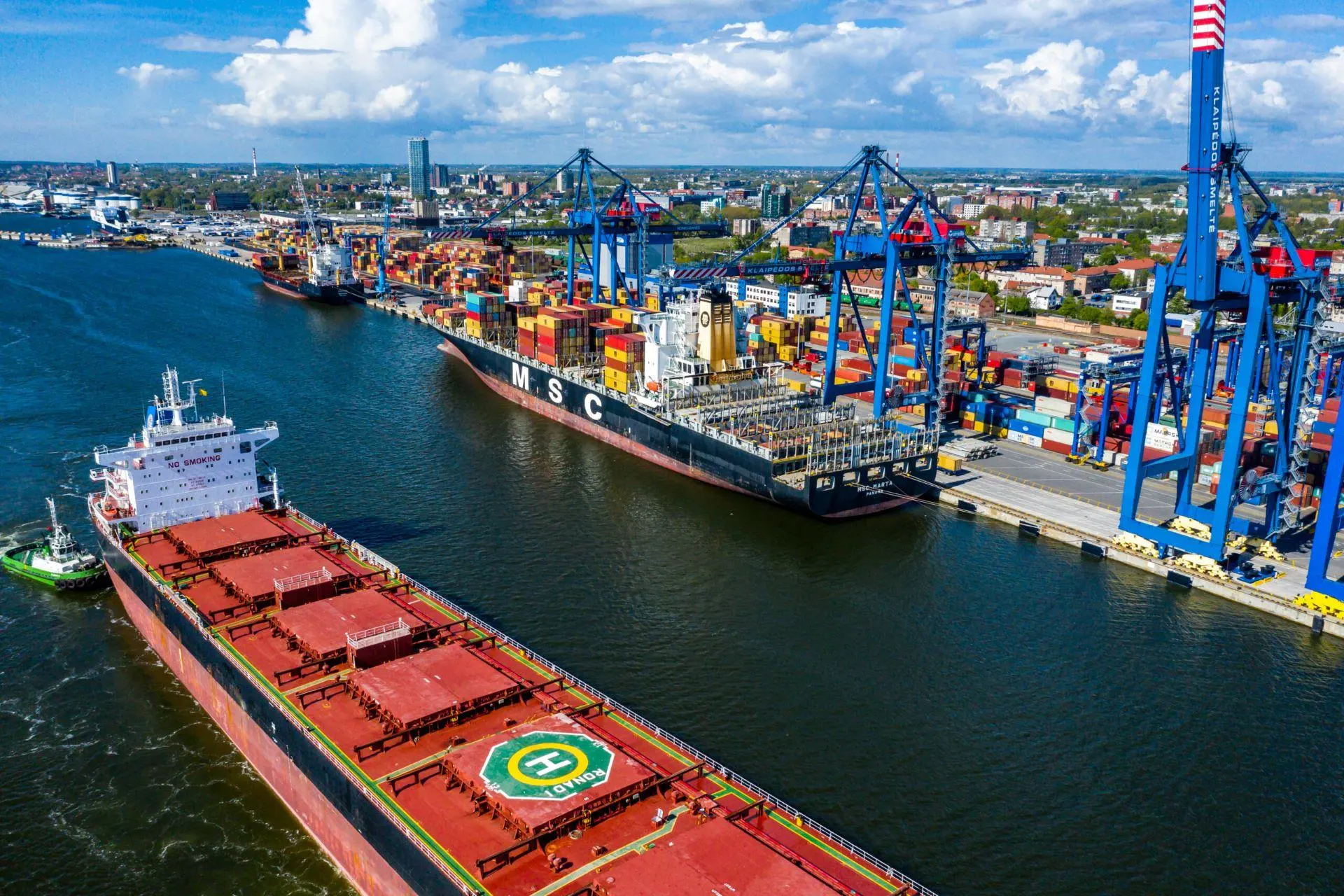
Fintech, software and transport are often mentioned in descriptions of Lithuania's economy, but they are services rather than industrial production.
Lithuanian companies also sell international customers:
Services contribute to the economy alongside manufacturing. A software contract, transport service or financial product is different from a physical item made in a factory, so both types of activity need to be considered when describing Lithuania’s economy.
After restoring independence in 1990, Lithuania moved from a Soviet planned system to a market economy. State enterprises were privatised or reorganised, new private companies emerged, and trade gradually shifted towards European markets.
Lithuania joined the European Union on 1 May 2004. Participation in the single market supported trade, investment and integration into European production networks.
Lithuania adopted the euro on 1 January 2015, becoming the last of the three Baltic states to do so. The history of Lithuania guide places this transition in its wider context.
Visitors most often encounter Lithuanian production in supermarkets, markets and small shops. Common examples include dairy products, bread, processed meat, sweets, drinks and other foods.
Design and souvenir shops may also sell wooden products, ceramics, linen textiles and goods made by small workshops.
Much of Lithuanian industry is not aimed at tourist retail. Machinery, electronic components, plastics, laboratory reagents, lasers and industrial materials are usually sold to other businesses or exported. Use the Lithuania travel guide to turn this background into a practical itinerary.
Lithuania produces furniture, food, refined petroleum products, chemicals, plastics, machinery, electrical and electronic equipment, automotive components, lasers, optical instruments, laboratory reagents, medical products and textiles.
Lithuania produces dairy and meat products, bread, flour, confectionery, processed grain, prepared foods, beer and non-alcoholic drinks. Agriculture supplies grain, rapeseed, milk, meat, eggs, potatoes, vegetables, fruit and berries.
Lithuania does not have large-scale passenger-car production under a major national brand. Companies in the country do manufacture electronic systems, metal parts, sensors and other components for the European automotive industry.
Lithuania is not a major producer of crude oil. Imported crude is processed at the Mažeikiai refinery into petrol, diesel and other refined petroleum products.
Notable areas include lasers, photonics, optical components, electronic products, small-satellite systems, laboratory reagents, diagnostic materials and selected medical technologies.
Part of total exports consists of re-exports. These are goods made elsewhere, imported into Lithuania and then sold abroad. To understand domestic production, look separately at goods of Lithuanian origin.
Explore related guides for your trip.